Land Use Planning

Land use conflicts are often complicated, involving many different groups with varied goals and interests.

These groups include planning boards and agencies, neighborhoods and homeowners’ associations (HOAs), developers, nonprofits, and other public interest groups. As with natural resource management, in land use planning, multiple groups may share similar goals but differ on how to achieve them or who is responsible for what actions.

Simply put, these parties don’t always speak the same language. Government agency planners are subject matter experts with deep, technical expertise. They may communicate in ways the public won’t easily understand. This lack of clarity can cause confusion and frustration between agency planners and citizens and business groups.

Our role is to help each group better understand the other so they can work toward finding common ground and seek solutions based on areas of common interest.

This may involve communicating public input in ways that planners can understand and relate to. Often, it means working with planners to make their technical ideas more accessible to the public.


Transportation and Land Use Resolution

We have successfully resolved a wide variety of transportation and land-use conflicts, including:

  • Density per acre and open space
  • Setbacks and height limitations

  • Traffic congestion, road widening, and realignment
  • Mixed-use and transit-oriented development
  • Emergency planning by service area

Let’s seek solutions to your land use dispute together.

Land Use Planning Case Studies

Residential Infill Development

Residential Infill Development

LEGISLATIVE POLICYMAKING

Summary:
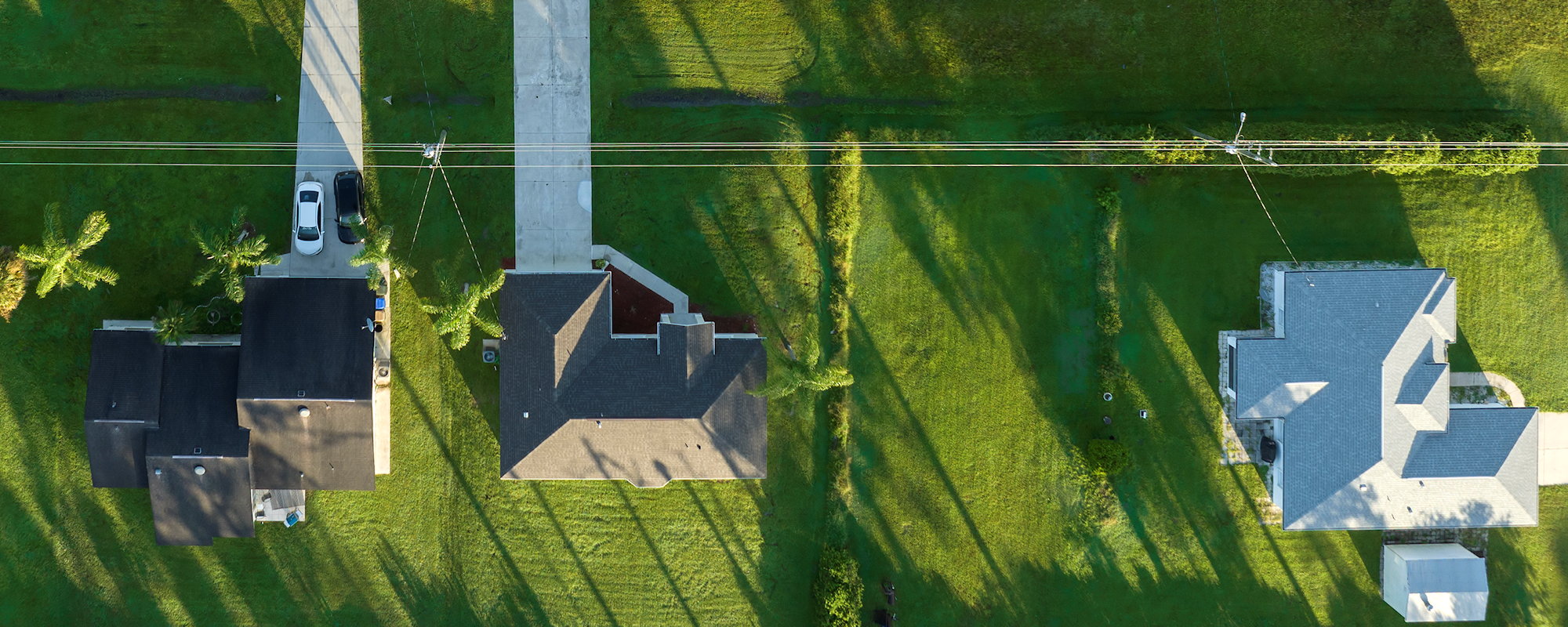
Residents grew increasingly concerned as developers built “McMansions” (oversized homes) on small lots in established urban residential neighborhoods. A county legislator initiated a collaborative process to resolve policy issues regarding the growing land-use controversy between housing industry professionals, government officials, and neighborhood associations.

Transportation

HIGHWAY ACCESS RELOCATION

Summary:
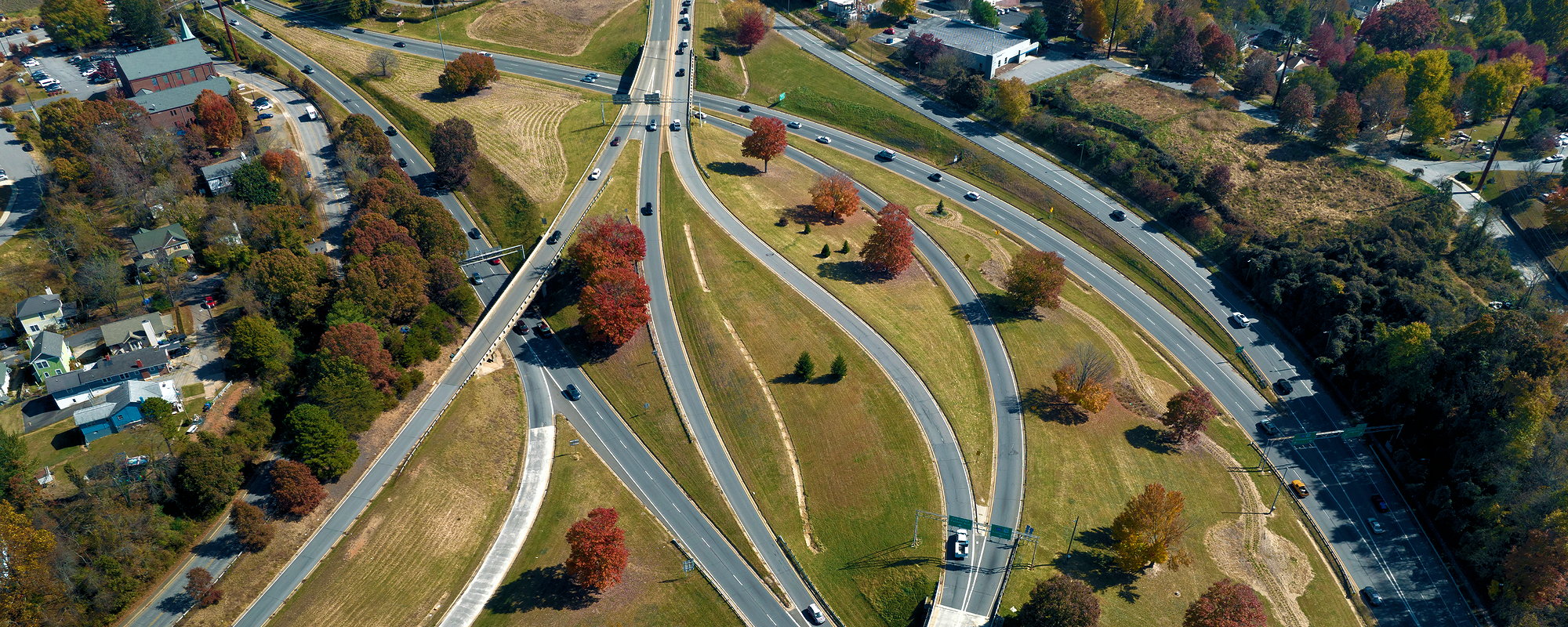
The State of Maryland wanted to relocate an existing access ramp from a federal highway. This change would move the ramp closer to a nearby town and align a state route running through the town with the newly relocated access ramp. Several local parties were concerned about the potential loss of business and increased pollutant runoff into the nearby Patuxent River that could result from relocation of the highway access.

Comprehensive Planning

Comprehensive Planning

TWO SUB-AREA MASTER PLANS

Summary:
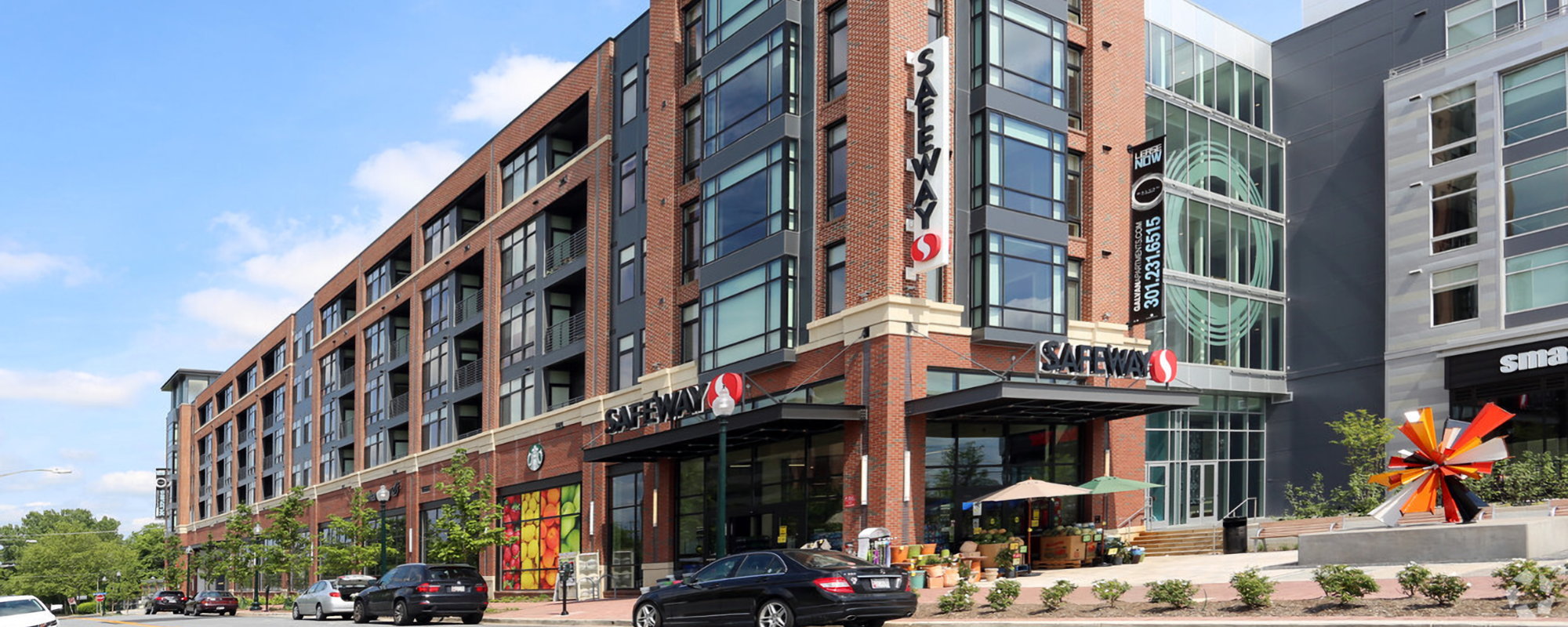
This case study shows how collaborative public engagement processes helped two different communities within the same county. Each of these two scenarios involved development of a comprehensive plan to preserve and revitalize mixed-use neighborhoods. The plans also had to comply with zoning regulations and transportation capacity while also serving the interests of both local communities and the developers.

Conflict or indecision can stall momentum.

Organizations risk losing staff, donors, or lenders while internal conflict impedes change.

But it’s possible to find common ground.

Experienced, active facilitation creates forward momentum by uncovering solutions based on common desires and goals.